
Published on 01/07/25 & Updated on 15/12/25
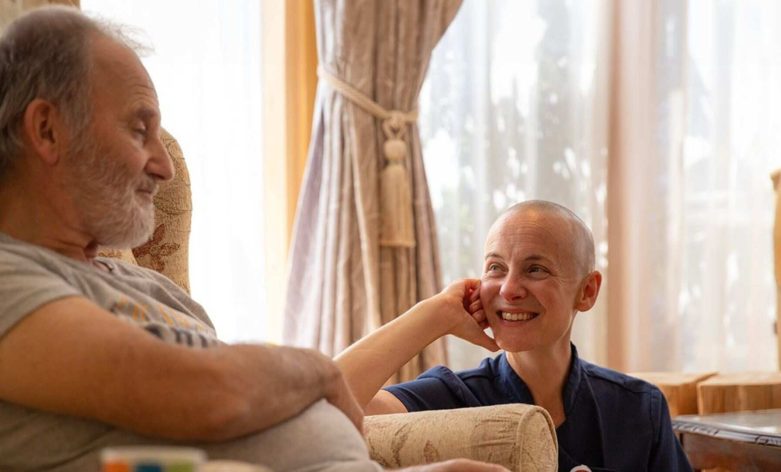
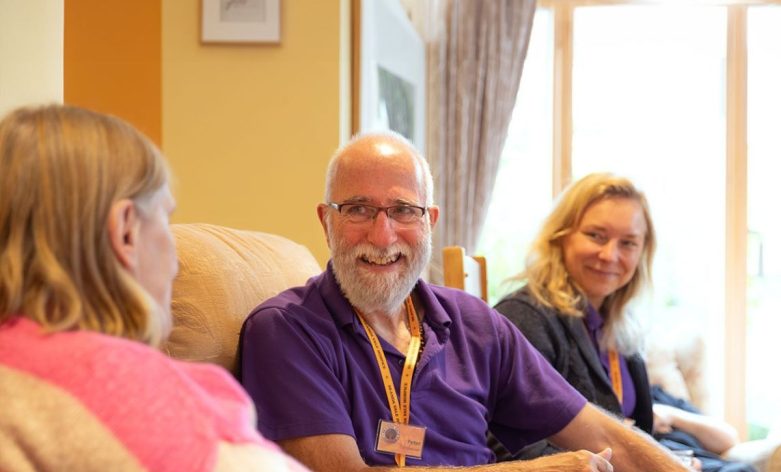
While many people associate hospice care with end-of-life support, the reality is that hospice care can offer profound benefits much earlier in the journey.
From the point of diagnosis, hospice care can significantly improve the quality of life for both patients and their families through compassionate expertise and support, for whatever time lies ahead.
In this guide, we’ll cover some key information on how much hospice care costs and how you can help support hospice care.
So, how much does hospice care cost?
In the UK, hospice care is generally provided free of charge to patients, including care provided at home, in a hospice, or in a care home or hospital.
Your next question might be: How is this funded? Hospice care is paid for through a combination of NHS funding and public donations.
It costs £1.8 billion each year to run the hospices in the UK. That said, places are limited, and hospices rely heavily on public donations as well as fundraising to provide individuals affected by life-limiting illnesses with unhurried care.
At Skanda Vale Hospice, all of our palliative care services, including overnight respite, day hospice care, and remote companion service, are offered freely without charge.
Understanding that hospice care is freely available, you might wonder how you can contribute to sustaining these vital services. There are many meaningful ways you can get involved. Here are 5 ways you can support hospice care:
1. Volunteer Your Time
The care provided by hospices is made possible by the generosity of volunteers.
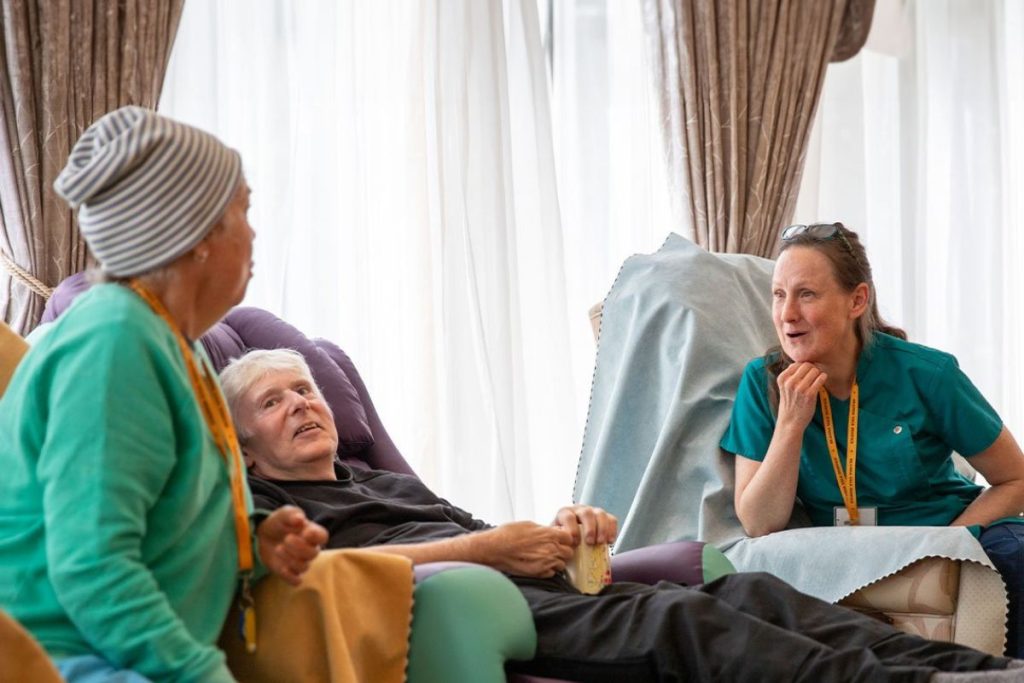
As a hospice volunteer, you’ll work alongside patients and their families during what can be an overwhelming time. From sitting with patients and lending an empathetic ear to making delicious meals in the kitchen, hospices rely on volunteers for a range of roles and responsibilities.
Volunteers provide not just practical support, but the invaluable gift of human connection during difficult times. You will also offer vital support to families, offering them respite from caring for family members with life-limiting conditions.
If you’re interested in volunteering for Skanda Vale, be sure to check out our volunteering opportunities here.
2. Spread The Word
If you’re not in the position to volunteer your time, spreading the word about the essential care hospices provide goes a long way.
By following hospices on their social media pages, including platforms like Instagram and Facebook, you can stay up to date and help raise awareness for the cause.
Sharing important information in this way not only helps to spread the word of the important work hospices do, but also helps more families affected by life-limiting illness find the support they require.
3. Make Donations
One of the biggest ways to support a hospice is to make a donation.
Due to the lack of government funding, palliative care relies on public support. When facing a life-limiting diagnosis, many families find themselves in need of the specialised care and understanding that hospices provide.
Any donation, big or small, makes the genuine and compassionate care offered by staff and volunteers at hospices possible.
At Skanda Vale Hospice, we offer highly individualised and unhurried care & support to families affected by life-limiting illnesses, completely free of charge.
If you’d like to make a donation, please get in touch on 01559 371222 to speak to one of our team members.

4. Fundraise
Organising or taking part in fundraising events is another way to support a hospice.
Considering that hospices only receive around ⅓ of their funding from the government (£0.5bn), with the rest (over £1bn a year) raised by hospices themselves, fundraising plays a crucial role in the support of hospices all over the UK.
There are a range of ways to fundraise, which include, but are not limited to:
- Sponsored walks, runs, or other sporting events
- Community events, such as coffee mornings or music events
- Bake sales and quiz nights
5. Leave A Legacy
Last, but not least, a way to support hospice care is to leave a legacy donation.
What Is A Legacy Donation?
In short, a legacy donation is a planned donation made to charity in your Will.
Whether you offer a lump sum, a share of your estate or leave a gift, legacy donations provide vital support to hospices and charitable organisations.
We hope that this article has provided you with clarity on how much hospice care costs and how you can support hospice care.
Why Support Skanda Vale Hospice
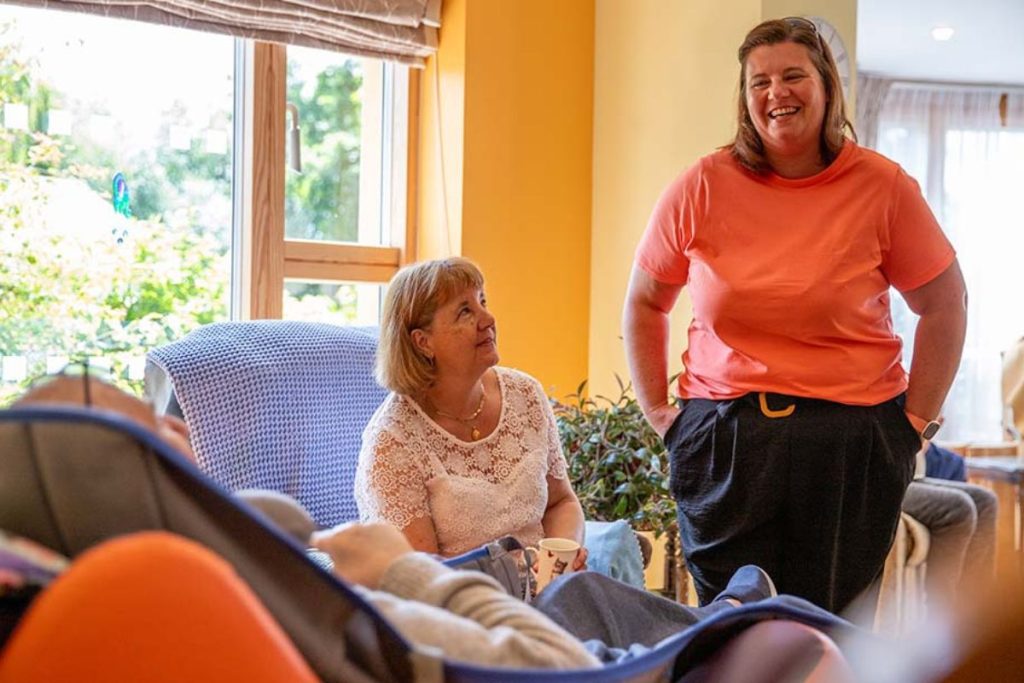
Skanda Vale Hospice helps people find strength and dignity during some of life’s biggest challenges.
All services at Skanda Vale Hospice are offered completely free of charge. Rooted in a tradition of holistic care, our team offers highly individualised care and support to families affected by life-limiting illness.
We believe that a person’s emotional, mental, and spiritual needs are as important as their medical needs, and we provide every person with care tailored to their wants and needs to enable them to reach their full potential.
The journey with a life-limiting condition affects not just patients, but entire families. From providing a listening ear to a worried family member to preparing a comforting meal for someone receiving care, every aspect of our service is designed to support the whole family unit.
If you’re interested in volunteering or making a donation to help support Skanda Vale Hospice, please get in touch on 01559 371222 to speak to our team and to find out more about the services we offer.
Every contribution, whether time, resources, or simply spreading awareness, helps ensure that families facing life’s most challenging moments receive the compassionate care they deserve.
Frequently Asked Questions
How Much Does Hospice Care Cost in the UK?
Hospice care is generally free of charge for patients in the UK. This includes any care you access at home, in a hospice, in a care home, or at a hospital.
Does the NHS Pay for Hospice Care?
The NHS pays towards hospice care, but doesn’t cover all the costs. Hospices also rely on fundraising, donations and volunteer support.
Who Qualifies for Hospice Care in the UK?
Hospice care is available to anyone from the point of being diagnosed with a life-limiting or terminal illness to the end of their life. While hospice care is commonly thought of as end-of-life care, hospices are there to help people live as fully as possible for however long they have, from months to years. Find out more about who can benefit from hospice care in our guide.
What is the Difference Between Hospice and Palliative Care?
Palliative care is about improving quality of life for anyone living with a serious illness, and for the people who care for them. It can be provided at any stage of a person’s illness, and alongside treatments aiming to cure or control the disease.
Hospice care is a specific type of palliative care for people who are approaching the end of life, often in the last few months or years. Hospices focus on comfort, symptom relief, and quality of life rather than curing a condition or illness.