
Hospices play a vital role in providing compassionate care for individuals facing life-limiting illnesses, creating space for what matters during their final stages of life.
While we often associate them with comfort, dignity, and holistic care, the financial challenges hospices face in delivering these services are often less visible.
This raises a key issue: How are hospices funded?
In short, despite the essential nature of their work, government funding covers, on average, just 30% of hospice care costs, with the rest relying on fundraising efforts, charity shops, donations, and grants.
Funding arrangements can vary based on whether a hospice delivers commissioned services. Some hospices receive statutory funding for providing NHS services, while others, including independent hospices like Skanda Vale Hospice, operate without government grants, relying on self-sustaining initiatives and the generosity of volunteers.
In this post, we’ll explore the different ways hospices are funded and how organisations like Skanda Vale Hospice are able to provide a space for genuine, unhurried care without relying on government support.
The Challenges of Government Hospice Funding
The way hospices are financed can vary significantly, especially across different regions. In Wales, the amount of government funding different hospices receive can differ widely, which affects how well they can operate.
In 2019, statutory funding made up between 10% and 71% of a hospice’s total costs, with the average across Wales sitting at only 30%. This wide variation means many hospices rely heavily on charitable donations, fundraising, and other external support to cover the remaining expenses.
Even with these challenges, Welsh hospices continue to provide essential end-of-life care, often at a lower cost than hospital care. For example, a 14-day stay in a hospice costs between £5,131 and £6,332, while the same stay in a hospital can cost over £6,860.
Additionally, hospices in Wales raise about 70% of their funds through their own efforts, easing the pressure on the NHS and providing care that is more cost-effective for the public.
Recent Changes In Hospice Funding
In response to funding challenges faced by hospices, the Welsh government has taken steps to improve financial support.
In April 2025, hospices received an additional £5.5 million in funding, on top of a £3 million increase in recurrent funding for the 2025-2026 budget. This extra money aims to help Wales’ 12 NHS-commissioned hospices continue to offer vital, tailored care.
However, while some hospices receive government funding, and Skanda Vale Hospice is actively exploring opportunities to access such support, we are an example of an independent hospice that currently operates without statutory funding.
Independent Hospices and Self-Sustaining Funding
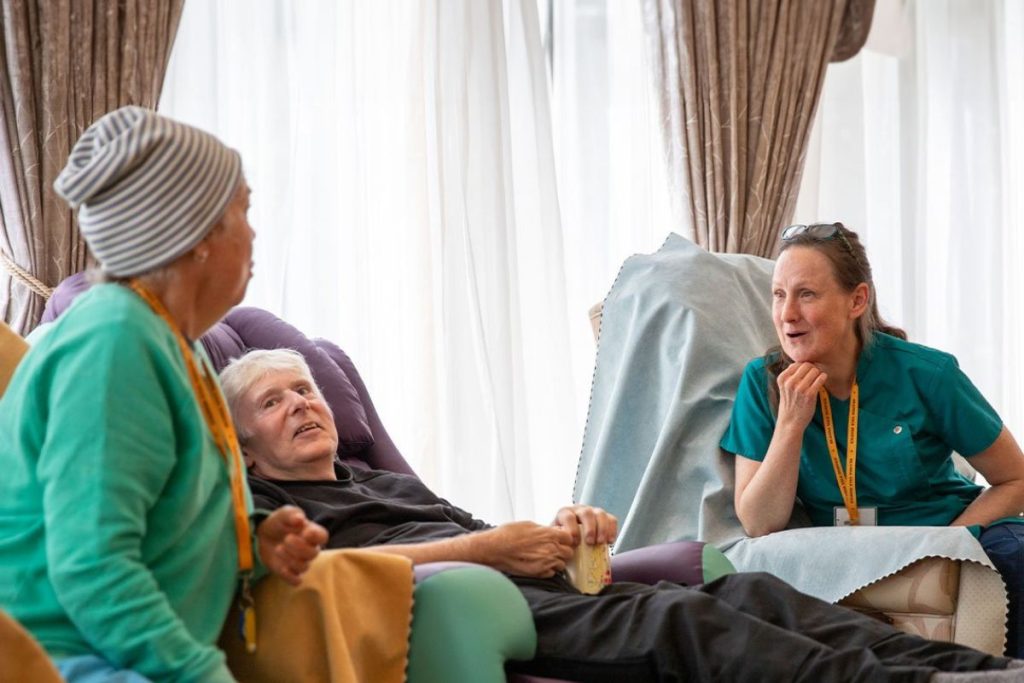
Skanda Vale Hospice is an example of an independent hospice that is funded entirely through self-sustaining sources.
Our approach offers a degree of financial stability, as we’re not reliant on grants that can be withdrawn at short notice. However, it also means operating on a tight budget and relying on the skill and dedication of a large team of volunteers to keep everything running smoothly.
Our ventures, including two charity shops, a snack stall, a cafe, and even a holiday accommodation business, provide a reliable, consistent income stream. This enables the hospice to operate independently while delivering high-quality care.
Skanda Vale Hospice operates debt-free, having never borrowed money and choosing to run within its means. This approach reflects a commitment to financial sustainability and careful stewardship of resources.
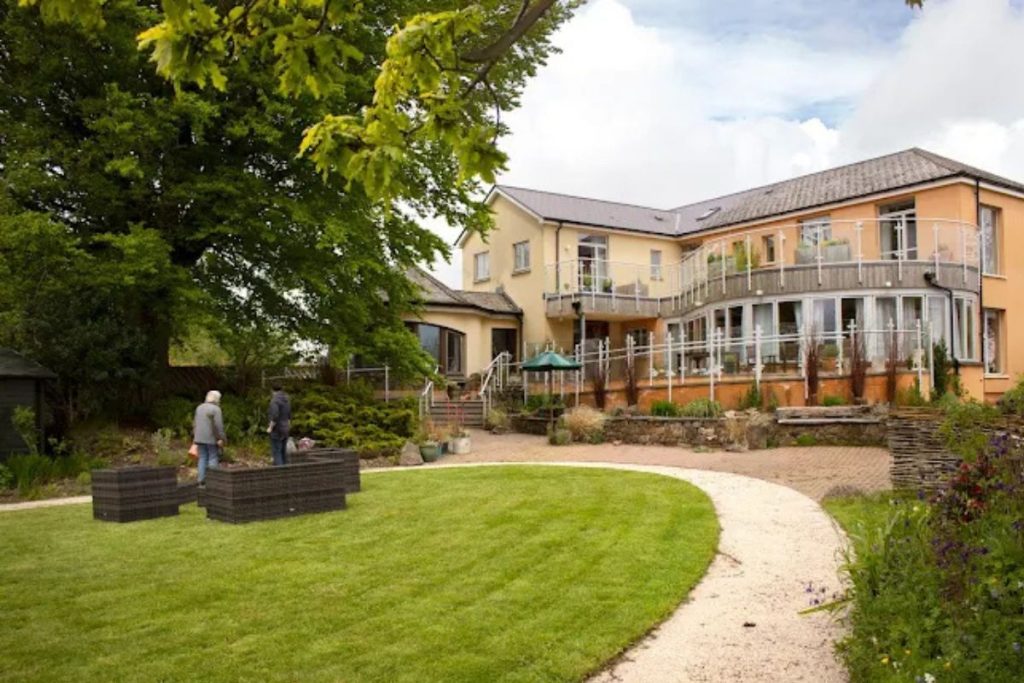
The hospice’s building is leased from Skanda Vale Monastery for just £1 a year on a 50-year lease, with no mortgages involved. This setup reduces financial pressures, so the hospice can focus fully on providing compassionate care.
In addition to these self-sustaining ventures, an aspect of our funding model is that we don’t use professional fundraisers, as our entire fundraising and finance team is made up of volunteers. This helps ensure that more of our resources are directed towards supporting patient care.
We can maintain our independence and continue providing personalised, dignified care, without relying on external government funding.
The Importance of Volunteers
Independent hospices benefit from a funding model that supports stability and flexibility, enabling us to focus on what matters: providing personalised care that supports the physical, mental, and emotional needs of our patients. However, it’s key to note that this care would not be possible without the generous support of volunteers.
At independent hospices like Skanda Vale Hospice, volunteers are at the heart of everything we do. While a small number of paid staff provide their expertise and consistency in key roles, the majority of our team, including all senior management, is made up of dedicated hospice volunteers.
Volunteers play a critical role in every aspect of hospice care, from direct patient care to administrative support. This allows us to continue providing personalised, holistic care while benefiting from the rich life experience and dedication that volunteers bring.
They help extend hospice services, keep costs low, and bring diverse skills, experience, and compassion to our care. Volunteers are truly the backbone of our hospice, helping us offer care that sees the person, not the condition, of those in need.
How You Can Help
To sum up, how are hospices funded? Many hospices rely on a mix of government support, donations, and fundraising.
Fully independent hospices like us operate without government funding, relying on self-sustaining ventures and the generosity of volunteers to provide essential care.
At Skanda Vale Hospice, we are always looking for new volunteers to join our community. Whether you can contribute a few hours a week or offer long-term support, there’s a role for you here, whether in nursing, care, fundraising events, or supportive services.
Your time and skills can make all the difference so we can continue to provide high-quality care, without relying on external funding.
Explore our volunteer role opportunities and become a part of our team today.