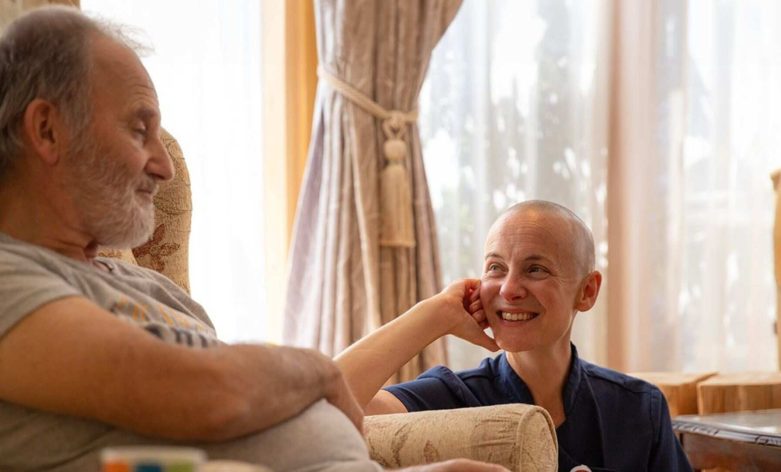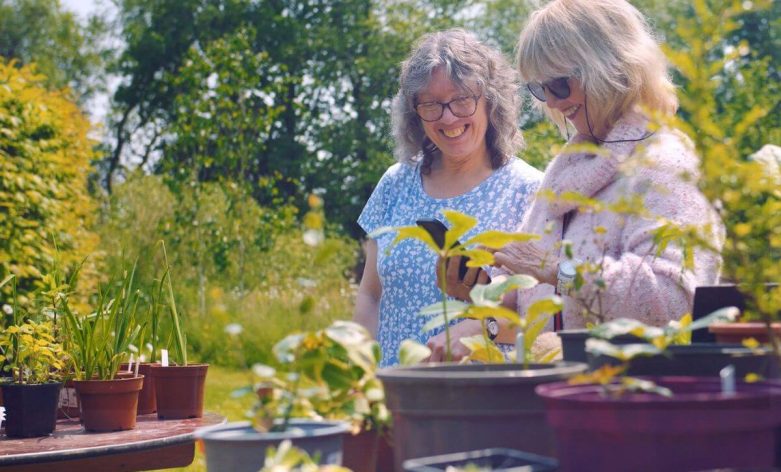

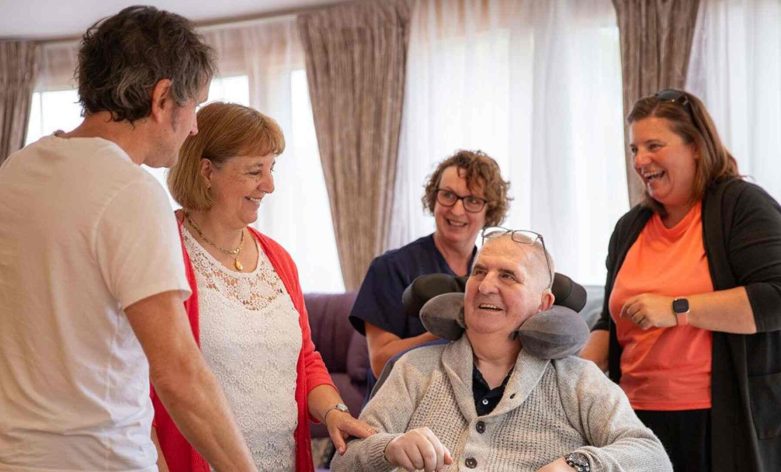
When many people hear the term ‘hospice’, they picture an emotional bedside farewell to a loved one with a life-limiting condition, someone who was told they only had days, or maybe hours to live. But that’s only part of the story.
Hospice care is so much more than many people realise; it’s a place where anyone living with a life-limiting illness can find expert care, genuine comfort, and compassionate support to help them live as fully as possible, whether that’s for months, years, or however much time they have.
So, is a hospice only for the terminally ill? The simple answer is no, but in this article, our experienced Skanda Vale Hospice team members will delve deeper into what hospice care is and who it’s for, as well as the ways we work together to provide space for genuine, unhurried care for our patients and their family and friends.
Who Can Benefit from Hospice Care?
To fully answer the question: ‘Is a hospice only for the terminally ill?’, it’s best to take a step back and first look at what a hospice is and who can benefit from this type of care.
As defined by the NHS, hospice care aims ‘to improve the lives of people who have an incurable illness’. When a patient comes into hospice care, it’s essential that they receive care that treats the person, not just the condition, offering quality care for the last stage of their life.
The patient could be an adult, young person or child; hospice care isn’t reserved for a specific person or life-limiting illness, and the care they receive will be tailored to their emotional and medical needs.
What is a Life-Limiting Illness?
A life-limiting illness is any condition that cannot be cured and is likely to shorten a person’s life. Some examples of life-limiting illnesses include:
- Cancer
- Dementia
- Neurological diseases
- Lung disease
- Heart disease
Here’s a sweet and beautifully honest video from one of our hospice patients, sharing her experiences of what really matters when you get diagnosed with cancer:
When Does Hospice Care Begin?
It’s important to note that hospice care can be received at any point; it doesn’t need to be when the patient is near the end of their life. Hospice care typically begins once treatments are no longer working, or when the patient decides they want to focus on the quality of their life.
For some, starting hospice care might feel overwhelming, especially when we think of it only as end-of-life care. These feelings are completely understandable, and it’s natural to feel uncertain about something unfamiliar. What many people don’t realise is that hospice care embraces the whole person, recognising that our emotional and spiritual well-being matters just as much as our physical comfort.
It’s about supporting not just the person receiving care, but everyone who loves them too. And with NHS England reporting that more than half a million are expected to die each year, it’s safe to say many of those will need hospice care, highlighting just how crucial these services are to all of us and our loved ones.
Hospice vs Palliative Care: what’s the real difference?
Anxiety often comes from fear of the unknown. When people don’t fully understand what hospice or palliative care involves, it’s easy to assume the worst. We hope this article helps dispel any myths and confusion surrounding both types of care.
Palliative Care
Palliative care can begin at any point after a person is diagnosed with a life-limiting illness. It can be provided alongside active treatment and focuses on relieving symptoms, managing pain, and supporting emotional, psychological and spiritual wellbeing. Marie Curie estimates that 9 in 10 people who die in the UK will need palliative care.
Hospice Care
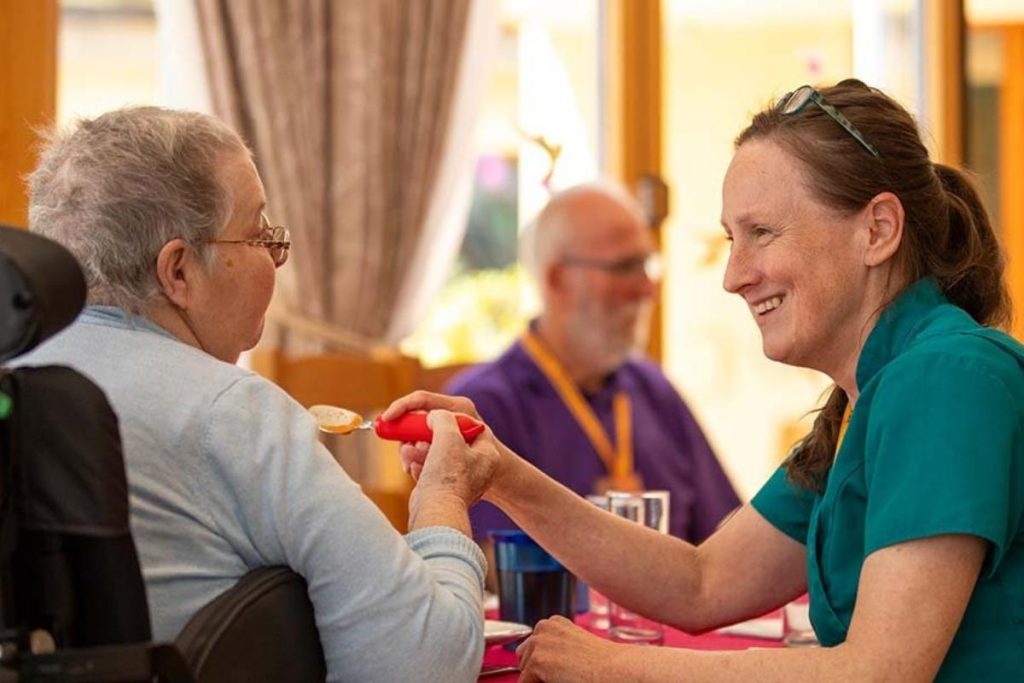
As we’ve already touched upon, hospice care usually starts when treatments are no longer effective, or when a person chooses to prioritise comfort and quality of life over curative treatment. Hospice care is a type of palliative care that takes place towards the end of a person’s life, in the final weeks, months or years. This care offers unhurried, compassionate support for the patient and those who care for them.
While in 2023 only 5.1% of people died in hospice care, hospices can provide broader support, such as overnight respite care, day hospice, and remote companionship.
At Skanda Vale Hospice, we offer both hospice and palliative care services. You can make an online referral, or you can get in touch on 01559 371222 to talk to one of our team members.
Why Choose Hospice Care with Skanda Vale Hospice
We hope this article has helped you to understand what hospice care is and who it’s for, and that you no longer think of a hospice as a place for those who only have a short time to live. Now, to help you understand the value of hospice care, we’d like to share with you our founder’s story.
In 1987, Guru Sri Subramanium, the founder of Skanda Vale Monastery, had a severe heart attack and was taken to a nearby hospital. While he was recovering, a man was in the bed next to him. As he lay there, the nurses spent as much time as they could with the man, which would only be a few minutes at a time.
Eventually, the man died alone and afraid. Witnessing this scene, Guru recognised that sometimes, hospitals aren’t equipped to meet the ‘whole-person’ care needs of those with life-limiting illnesses. And so, he founded Skanda Vale Hospice.
We uphold that same ethos nearly 30 years later, helping people find strength, dignity, and peace during some of life’s greatest challenges. Understanding our patients is important to our team members; they are all people who understand that good care takes time and that each moment of attention matters, both towards our patients and their family and friends.
Here is a list of the highly individualised care and support services we can offer, completely free of charge:
1. Overnight Respite
Overnight respite is a very helpful option for a number of reasons; if there’s a crisis at home, it means you have a comfortable and welcoming place to stay; or if your life-limiting illness quickly changes, we can be ready to receive you; and it also gives your carers an opportunity to take a break, recharge, and gain specific help if needed.
In this video, Stan shares how respite care gives him peace of mind and a chance to rest while caring for his wife Alyson:
2. Day Hospice
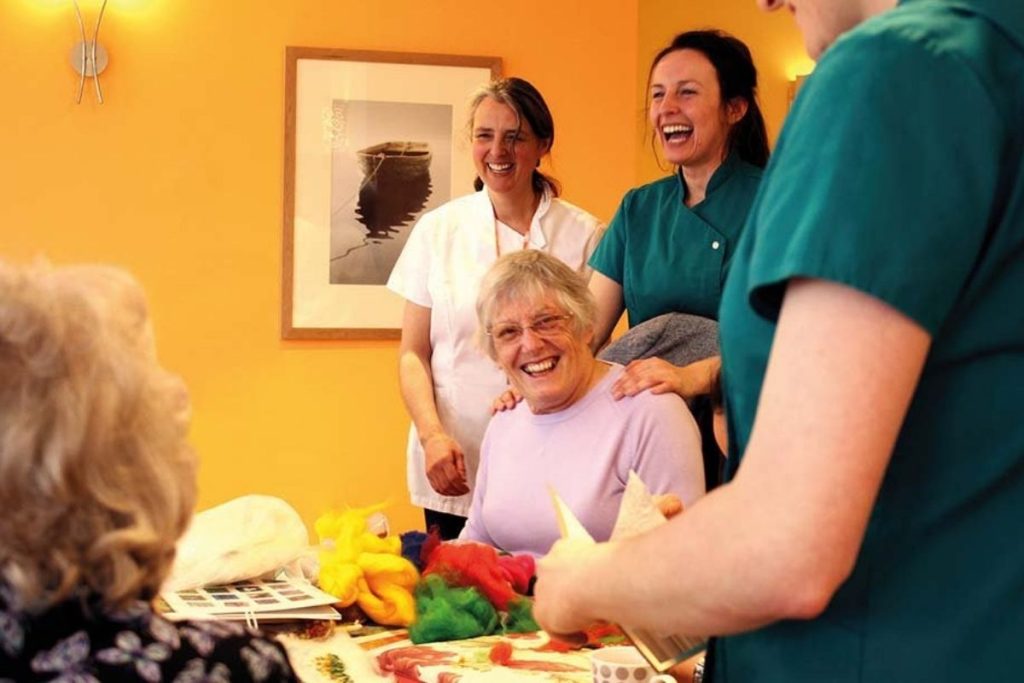
From therapies, activities, and good company, day hospice sessions are an effective way to boost well-being and morale. It’s something our patients and their family and friends always look forward to, as it provides a valuable change of scene in a fun and supportive environment; patients can relax and simply be themselves.
3. Remote Companion Service
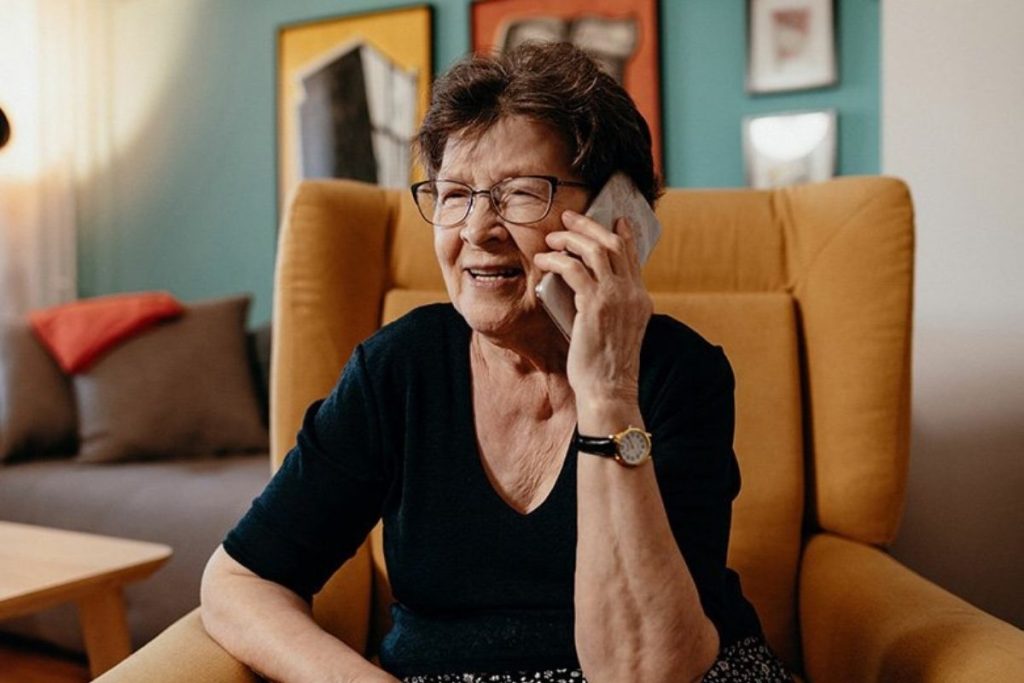
Even when we can’t be there in person, we’re still here to listen. During this difficult time, connection is vital to maintaining a positive mental and spiritual well-being. Our remote companion service consists of an unhurried phone or video call, bringing people together who understand that listening matters even when it can’t be in person.
We hope this has helped you to understand the question: ‘Is a hospice for the terminally ill?’ and how hospice and palliative care can benefit anyone living with a life-limiting illness.
You can find out more about our hospice and palliative services, who we are, and even how to volunteer on our website. Or you can get in touch with one of our team members on 01559 371222.