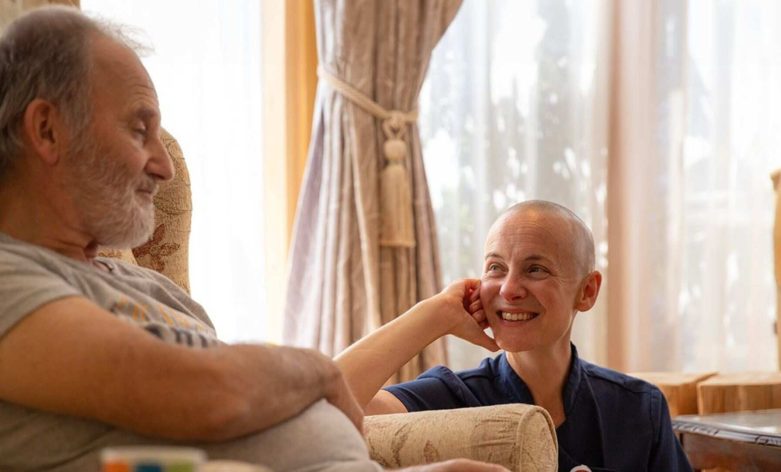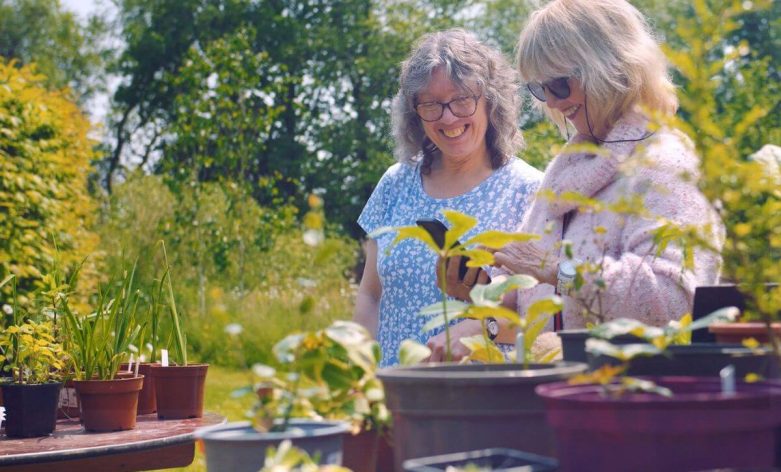

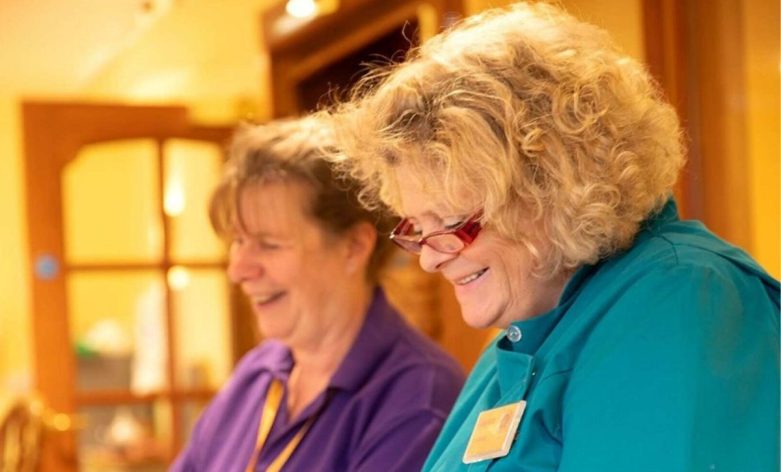
Volunteering in healthcare is one of those rare things that feels small in the moment—helping someone wash their hands, making sure they’re comfortable, listening properly—but somehow adds up to something quietly transformative.
People come to it for all sorts of reasons: a clinical background they want to use differently, a desire to reconnect with the human side of care, or simply the feeling that it’s time to do something that matters in a very direct way.
If you’re wondering how to volunteer in healthcare, you’ll need to understand the types of roles available, what makes the work a good fit, and what’s required to keep patients safe and supported. We’ll walk through each of those below.
Is Healthcare Volunteering Right for You?
A healthcare volunteer is usually someone with clinical training—nurses, support workers, therapists, or people with comparable experience—who brings their skills into a setting where time is less rushed, and care is more personal.
Before you commit, it’s worth pausing to consider whether this kind of work suits your temperament as much as your CV.
You’re likely well-suited if you:
Are compassionate and patient
In a steady, everyday way—the sort of compassion that notices when to speak and when to simply sit alongside. And the ability to sit with someone who’s frightened, tired, or unwell, and offer reassurance without hurry.
Genuinely want to help
Volunteering is at its best when the motivation comes from a simple wish to be useful. The rewards are real—but they arrive quietly, usually in the form of a smile, a story, or that unmistakable sense that you made today a little easier for someone.
Are comfortable in clinical environments
Hospices and healthcare settings can be emotionally rich places. You don’t need to be unflappable; you just need the willingness to meet people where they are, including those approaching the end of life.
Want to build or apply healthcare experience
Some volunteers arrive wanting more experience before pursuing a healthcare career. Others have years of practice behind them and are looking to reconnect with compassionate, unhurried care. Both paths are welcome.
Meet Eligibility Requirements
Once you’ve decided the work feels right, the next step is making sure you meet the basic requirements. These exist not to exclude, but to ensure every patient receives safe, attentive care.
Typically, healthcare volunteers:
Have a clinical background
This includes doctors, nurses, healthcare assistants, support workers, therapists and other trained practitioners.
Complete the necessary checks
This usually includes a DBS check, references, and basic health requirements. It’s simply part of keeping vulnerable people safe.
Have reliable transport
At Skanda Vale Hospice, we’re rural and beautiful—with the emphasis on rural—so volunteers do need dependable transport.
Can commit to a schedule
Continuity helps patients feel secure and allows the care team to work smoothly. Whether you offer a regular weekly slot or a block placement, reliability is essential.
What Skanda Vale Hospice provides
To remove practical barriers, we offer free residential accommodation, freshly prepared meals, travel reimbursement and laundered uniforms. That way, you can focus on the bit that matters: being present with the people you’re supporting.
(There’s also the option to spend time at Skanda Vale Ashram, if personal or spiritual development is part of what you’re seeking.)
Click the button below to find out how our accommodation package supports healthcare volunteers during their stay.
What Responsibilities Do Healthcare Volunteers Have?
Our core healthcare volunteer roles are Volunteer Nurses, Volunteer Patient Assessors, and Volunteer Carers. Each role asks something slightly different of you, but all share a commitment to calm, relational, person-centred care.
Volunteer Nurse
Volunteer Nurses bring professional clinical expertise into an environment that values depth over speed. The work includes:
- Skilled nursing care
- Supporting personal care
- Symptom management and medication tasks
- Holistic assessments
- Thoughtful documentation
- Gentle, human communication with patients and families
Nurses work closely with doctors, therapists, social workers, spiritual carers and the wider team to create individualised care plans that honour each patient’s needs.
What many of our volunteer nurses appreciate most is the time: time to notice, time to listen, time to offer the kind of care that first drew them into nursing.
They receive a thorough induction, ongoing training and mentorship—because looking after patients well also means looking after the people caring for them.
Volunteer Patient Assessor
Patient Assessors are often the first person a patient really talks to about what they’re facing. It’s thoughtful, attentive work that involves:
- Listening deeply
- Exploring needs and preferences
- Helping craft personalised care plans
- Communicating clearly with families
- Documenting sensitively and accurately
This role suits someone who can navigate tender conversations with warmth, clarity and respect. Clinical assessment experience is helpful, but so is the simple, hard-earned skill of knowing when to speak and when to listen.
Training and support are provided, and Assessors work closely with the nursing, spiritual and social care teams.
Volunteer Carer
Volunteer Carers support patients with daily living—personal care, eating, drinking, mobility, gentle activities, and the companionship that often matters most.
Some Volunteer Carers are former registered nurses whose PIN registration has lapsed or who have retired—they join to enjoy hands-on, compassionate care without the responsibilities of a formal nursing role.
They help observe changes in wellbeing, share insights with the nursing team, and contribute to ongoing care plans.
A good Carer is steady, kind, patient and practical. Prior experience helps but isn’t essential; what matters most is the willingness to show up with reliability and heart.
You’ll be part of a genuinely collaborative, multi-disciplinary team that values your contribution.
Application, Screening and Training
The process is simple and supportive:
- Application form – Share why you want to volunteer, what experience you bring, and your availability.
- Conversation/interview – An informal chat to ensure the role feels right for both you and the team.
- Screening – DBS check and references.
- Training and induction – Role-specific training, time with the team, and a clear introduction to how we deliver calm, unhurried, compassionate care.
You won’t be dropped into the deep end. You’ll be guided, mentored and supported throughout.
Join Our Healthcare Volunteer Team
Becoming a healthcare volunteer at Skanda Vale Hospice is meaningful, steady, and very human work. You support people at some of the most significant moments of their lives—and in doing so, you often discover something quietly valuable in your own.
To make volunteering sustainable, we provide free accommodation, nourishing meals, travel reimbursement, and laundered uniforms for all healthcare volunteers. You can come for a short visit, a five-day stay, or a longer placement—whatever suits your life and possible commitments.
If you’d like to explore current opportunities or speak to someone about the roles, you’re very welcome to call us on 01559 371222.